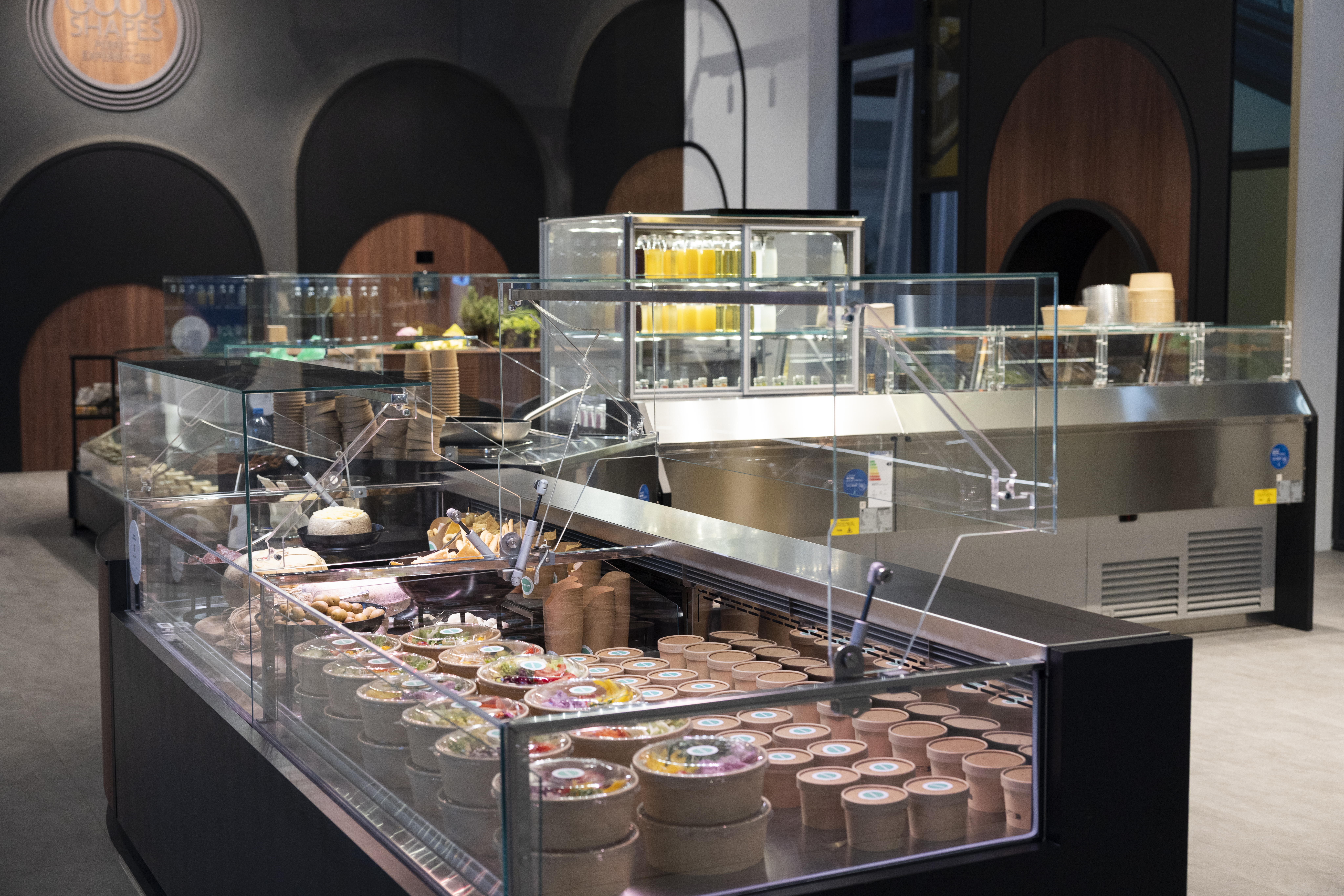
INDUSTRY INSIGHT: Why Do Chilled and Frozen Aisles Struggle as the UK Gets Hotter? Is It Really Just Old Equipment?
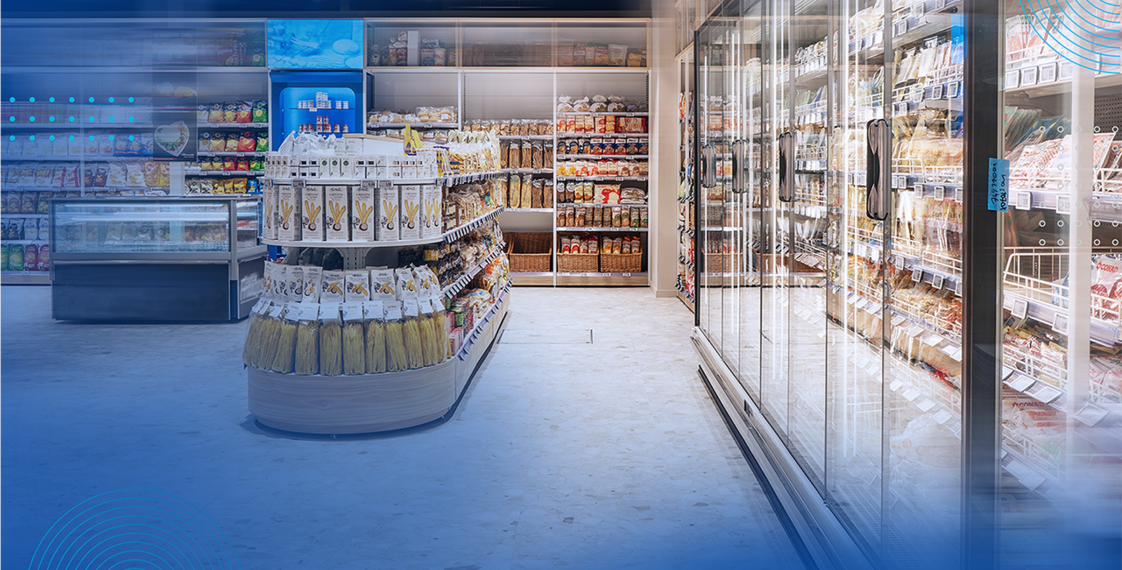
High ambient temperatures do not simply create a bad day for refrigeration equipment. The explanation is usually much more complex, rooted in the way an individual system was designed, where it is located, and how it has been serviced and maintained over time, rather than simply its age. However, when a system can no longer achieve the cooling performance required, the knock-on impact can be significant. Stock can be lost, sales can be affected, and the customer experience can quickly be damaged at the shelf edge. With warmer weather patterns increasingly likely to continue in the UK, the more useful question is why systems struggle during sustained periods of heat, what can be done to make grocery retail estates more resilient.
Every refrigeration system is specified around the predicted conditions it is expected to handle over a 15–20-year period. In practice, that includes the local climate, likely summer peaks, building layout and the cooling load inside the store. That may sound technical, but the idea is simple enough. When a system is designed, it is usually based on what the store is expected to experience at that point in time, with a level of tolerance built in using the best available information. The issue now is that those original assumptions are outdated, and the conditions some stores are experiencing are starting to exceed the tolerance the system was designed around.
Those assumptions may have been perfectly reasonable when the equipment was installed. The difficulty now is that UK stores are facing warmer summers and longer periods of heat than many older systems were originally planned around. In other words, the operating window is moving at pace, and some systems are being challenged to perform in conditions that sit beyond their original design.
This summer’s heatwaves have pushed UK supermarket refrigeration into the spotlight, and as a result shoppers usually see the problem first at the shelf edge, through empty cabinets or temporary notices explaining equipment faults. By that point, the issue has already moved beyond the refrigeration system itself and into the customer experience.
For supermarkets, the challenge is therefore better understood as an estate planning issue than a seasonal inconvenience. The question is not only how quickly a store can recover when equipment fails, but whether the most exposed parts of the estate have been reviewed before the high pressure of the next period of high ambient conditions arrive.
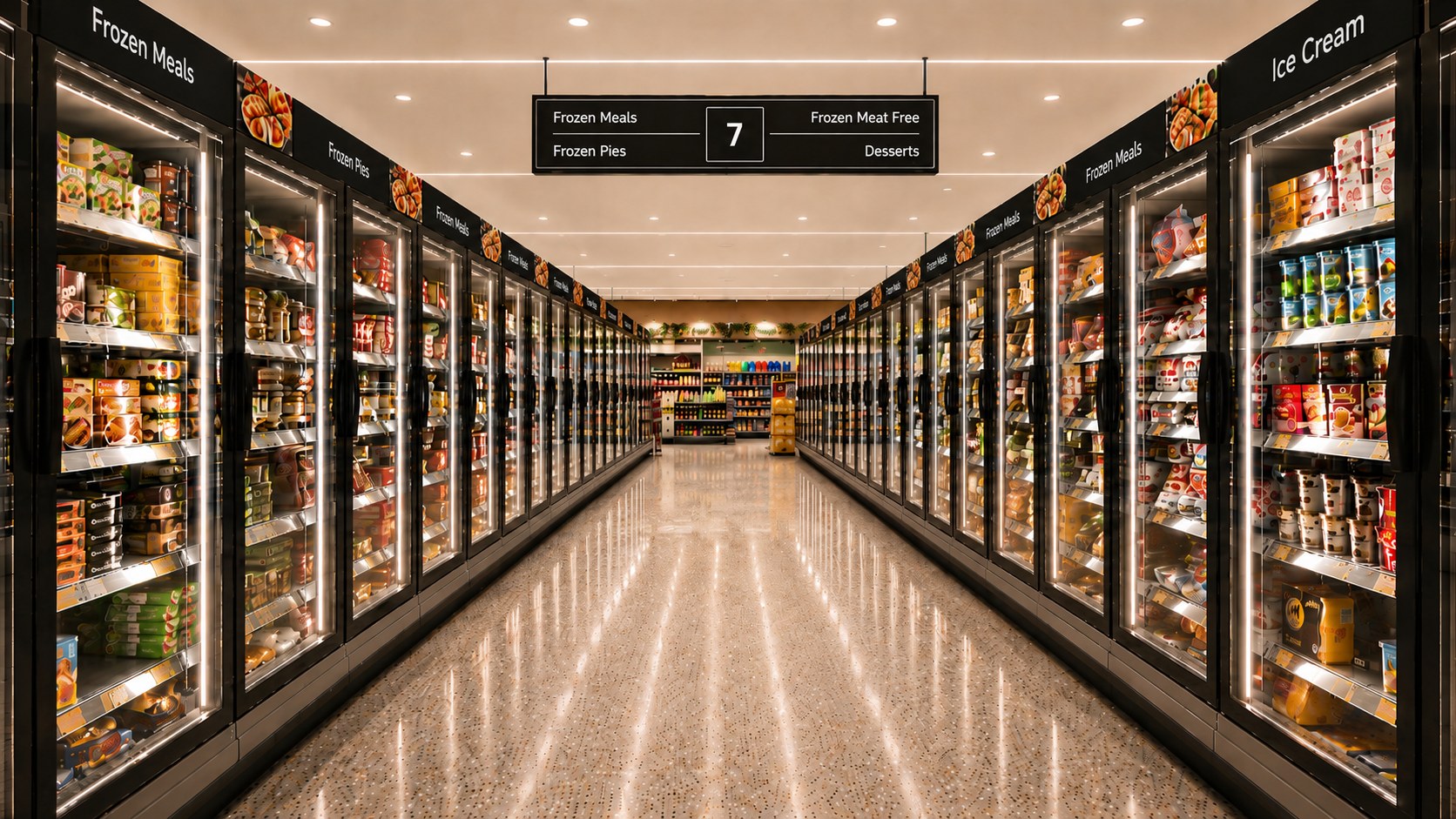
That makes the public debate around ageing supermarket fridges useful only up to a point. Age can increase exposure, especially where equipment has carried years of wear or where investment has naturally followed wider asset refresh cycles. However, age on its own does not tell the full story. With the right maintenance history and sensible upgrades, an older system can still perform well, even a newer installation can become vulnerable if it was designed with too little margin or has not been maintained properly.
The better indicator is the condition of the system when the heat arrives. During milder weather, small weaknesses can be managed inside the normal operating range. For example, external heat rejection equipment that is already underperforming may not necessarily create a major incident in cooler conditions. However, under sustained heat, the same weakness can quickly become unmanageable and visible in store.
This brings maintenance into the heatwave resilience conversation rather than leaving it as a separate service issue. Pre-planned maintenance is often managed as part of routine operational budgets, while its value only becomes obvious when a store avoids disruption during a period of higher demand. In hot weather, a service issue that may have felt manageable in spring can become lost sales, wasted product and additional pressure on store colleagues.
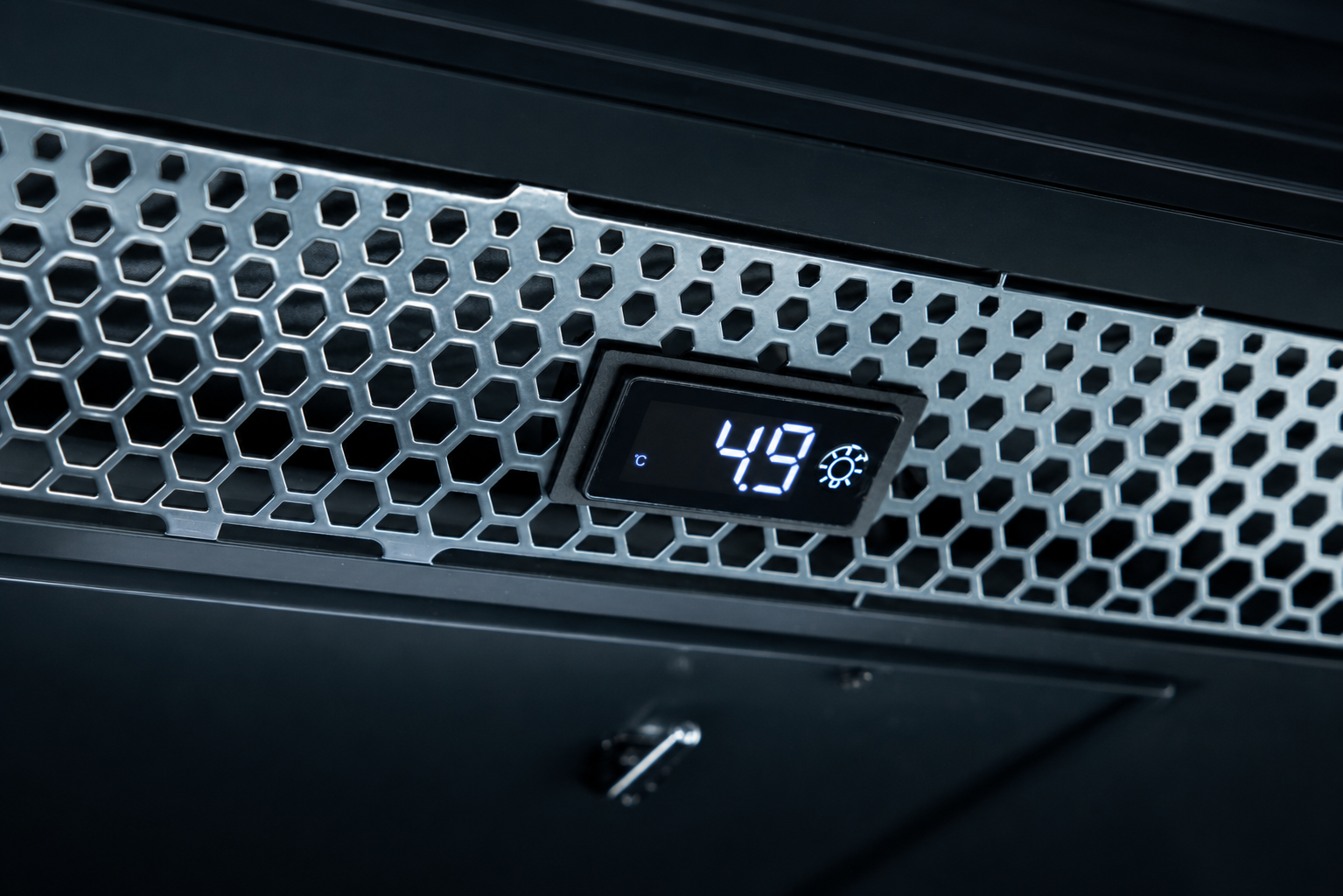
There is also a design lesson. Refrigeration systems have to balance capacity with normal operating efficiency. Designing too close to the expected load leaves less room when conditions change. Designing for rare peaks alone can leave a store carrying unnecessary redundancy for much of the cooler periods of the year, which can lead to its own problems. Modern refrigeration therefore has to manage that balance with better site data, system architectures and technology that take future weather into account.
Heatwave readiness needs to start before the forecast changes. In some stores, the existing plant will already be working close to its limit, or the built environment itself will make heat harder to manage. In others, there may be enough capacity on paper, but the system can still struggle if heat rejection cannot happen effectively as part of the wider store environment, or if engineers cannot access and maintain the equipment regularly.
In many cases, improvement does not require a full system replacement. At one site, shading external equipment from direct sunlight may reduce solar gain whilst maintaining ventilation for the system. In another setting, adiabatic support may be appropriate. Display case doors can also help lower the load on the refrigeration system, while better coordination between air conditioning and refrigeration can make the store environment easier to manage during warmer periods. Although these changes may not attract headlines, they can influence how much strain the system has to cope with.
In terms of modernisation, the aim should be to identify which assets are already operating close to the limits they were designed for, and where intervention will reduce risk before the next period of high ambient temperature. A broad estate average will not provide that answer, because the useful detail sits at store level.
Once store level detail is understood, the right intervention may not always mean a full system replacement. In some cases, technologies such as Hauser’s ecoFusion propane subcooler can be fitted to new or an existing system, operating up to 45°C, working in tandem with the existing system.
Epta has also developed and ETE solution, or Extreme Temperature Efficiency, as part of that conversation. The technology was developed to support CO₂ refrigeration in naturally high ambient environments, allowing the system to operate in these demanding conditions.
The concept is relatively simple. Under high ambient conditions, CO₂ systems produce more flash gas, which reduces the amount of useful liquid available to cool and ultimately add cooling capacity. ETE is designed to sub cool the refrigerant to reduce the amount of flash gas being created, so it can continue operating effectively when outdoor temperatures rise.
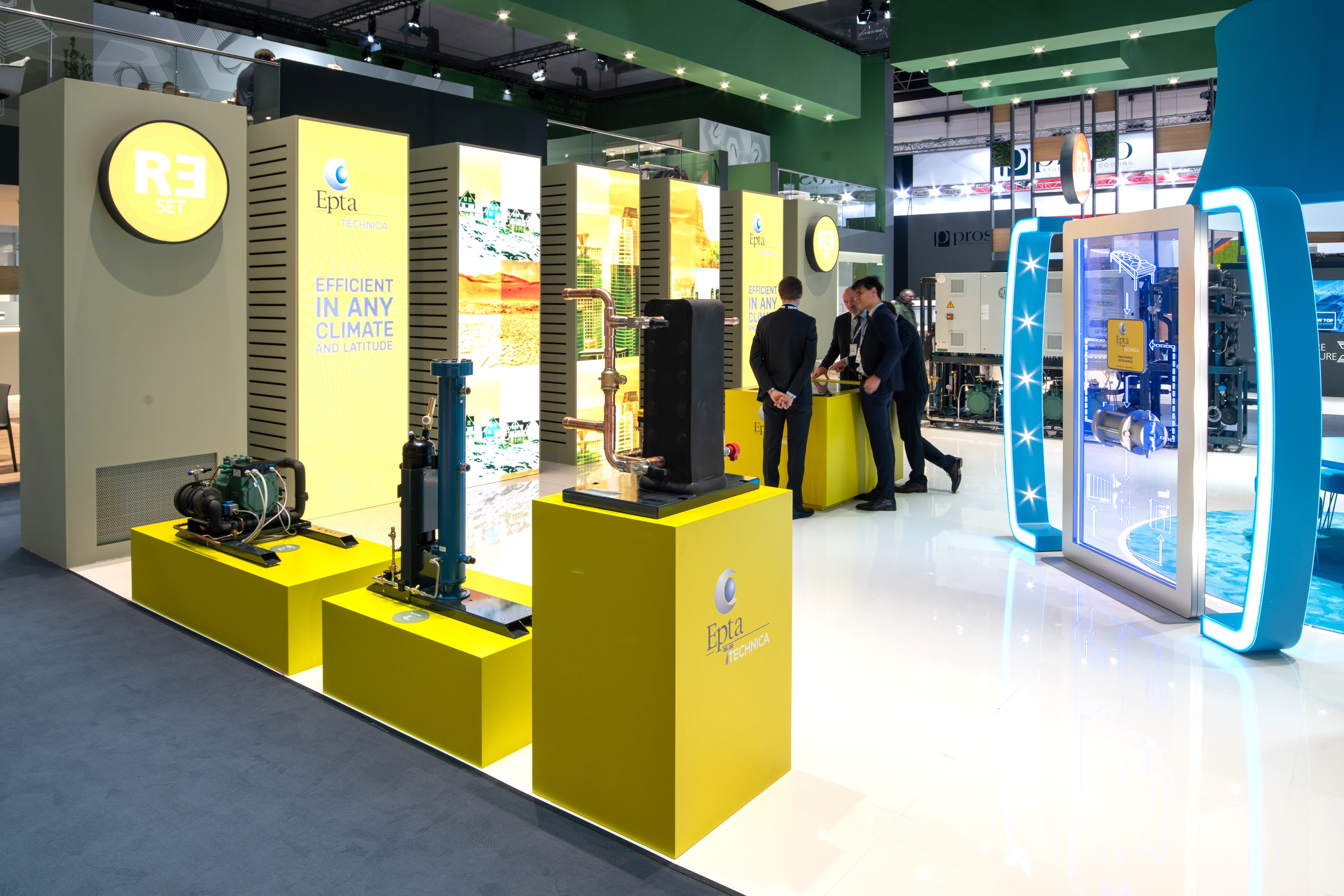
The technology was originally developed for markets with high temperature environments, including Southern Europe, the Middle East and Australia. As a result, ETE is now being explored in the UK as retailers look more closely at how CO₂ systems perform in warmer operating conditions. It is also being trialled with a major UK supermarket, while installations in hotter climates are giving Epta further insight into how the approach performs under sustained high-temperature conditions.
In conclusion, the industry should not respond to heatwave coverage with panic. Instead, the more useful response is to prepare earlier, because heatwaves are becoming a recurring test of refrigeration on a store-by-store level, and the stores that cope best will be the ones where risk has been understood before customers are exposed to the consequences.
Follow us on LinkedIn and stay up to date with the latest from our teams, projects, and events.